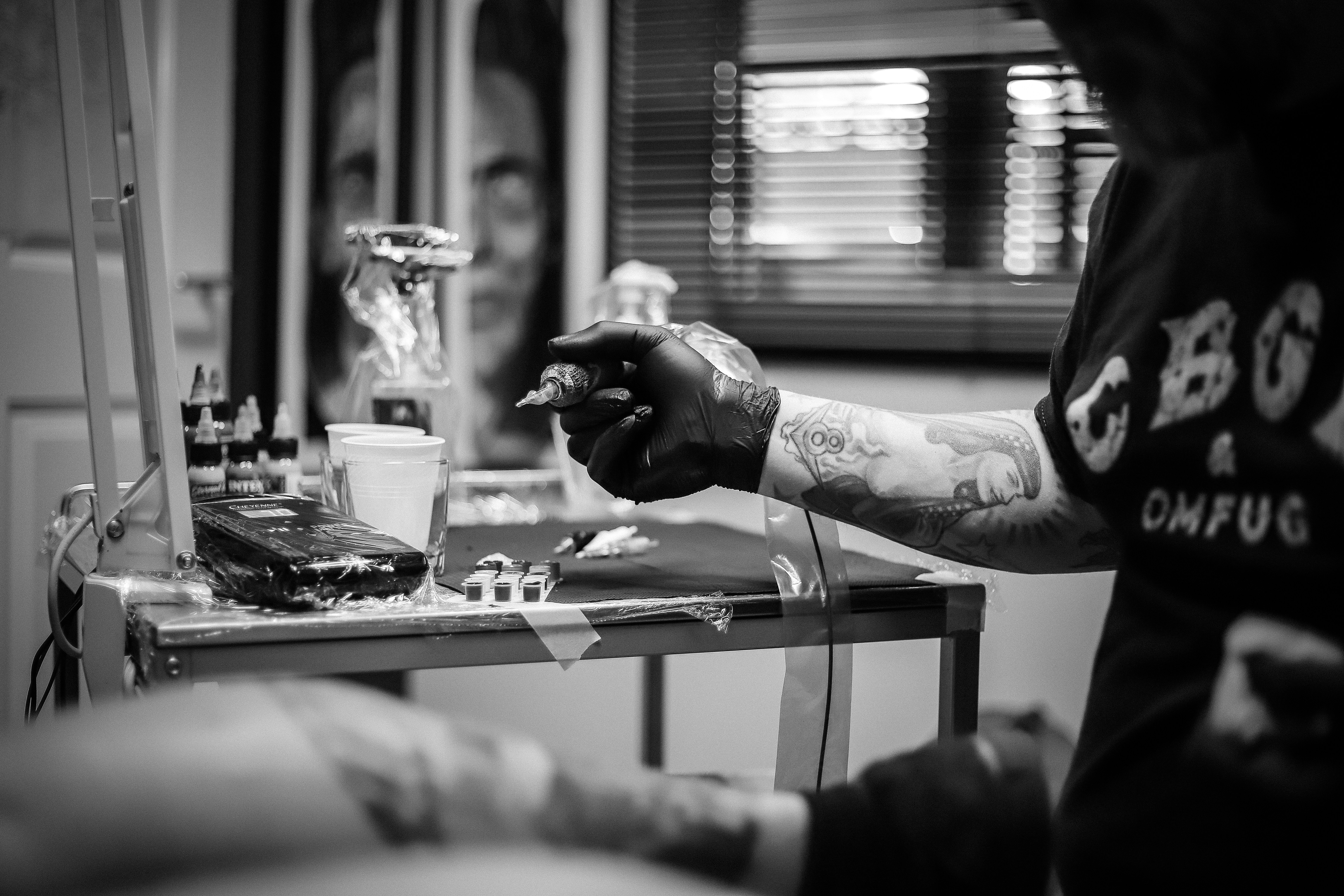
When people think of the O-1B visa for extraordinary ability in the arts, they usually picture Hollywood actors, fine artists exhibiting in major galleries, or principal dancers with renowned companies. It is completely understandable why professional tattoo artists and body art innovators might assume their work falls outside traditional definitions of fine art. Over the past decade, however, tattooing has evolved into a highly sophisticated medium recognized for its technical precision, cultural influence, and distinct artistic merit. For elite tattoo artists who have shaped modern aesthetics and built an international reputation, the O-1B category offers a viable and rewarding pathway to work legally in the United States.
Meeting the O-1B standard requires satisfying specific regulatory criteria set by USCIS, which can look quite different for a tattoo artist than it would for a painter or a musician. Because the regulations require proof of sustained national or international acclaim, an applicant must look beyond studio appointment books and client satisfaction to build an evidentiary record. This often involves documenting significant media coverage in prominent lifestyle publications, art magazines, or major design features. It can also include showcasing invitations to guest spot at prestigious international studios, participation in high-profile industry conventions as a featured judge or keynote artist, or collaborations with recognized brands and public figures.
Another critical component is establishing that your work commands a high level of remuneration or that your artistic contributions have set a standard within the industry. If you have pioneered specialized techniques, influenced a broader community of practitioners, or built a body of work that is widely discussed and imitated, those factors help prove that you belong at the top of your field. Adjudicating officers look for objective proof that distinguishes you from competent peers, meaning your application needs to connect your artistic style directly to verifiable professional recognition.
Navigating this category successfully comes down to translating a unique creative career into the precise legal framework USCIS expects to see. With thoughtful documentation and a clear presentation of your professional achievements, an extraordinary ability petition can open the door to establishing a studio, expanding your clientele, and building your creative career in the United States.
Think You Might Qualify?
If you are considering working, investing, starting a business, or building your career in the United States, please complete our online questionnaire to help us determine whether your profile may warrant further discussion: CLICK HERE.